
Top 8 Free Tools for Practicing Ethical Hacking Skills
Ethical hacking is essential for identifying security vulnerabilities before they can be exploited. This article lists 8 free tools that help beginners and professionals practice and refine their cybersecurity skills. These tools cover areas like web security, network analysis, and password testing. Here’s a quick overview:
- Netsparker: Automated web vulnerability scanner for SQL Injection and XSS.
- Acunetix: Web vulnerability scanner with 4,500+ checks, including WordPress-specific issues.
- Metasploit: Penetration testing framework with 1,600+ exploits.
- Wireshark: Network traffic analyzer for deep packet inspection.
- Nessus: Vulnerability scanner with compliance templates and 50,000+ vulnerabilities.
- Nikto: Web server scanner for outdated software and misconfigurations.
- Kali Linux: OS with 600+ pre-installed penetration testing tools.
- John The Ripper: Password testing tool for cracking weak hashes.
These tools are free, versatile, and cater to various skill levels. Use them responsibly in controlled environments to develop your ethical hacking expertise. Below is a comparison table to help you choose the right tool.
Related video from YouTube
Quick Comparison
| Tool | Purpose | Features | Best For | Difficulty |
|---|---|---|---|---|
| Netsparker | Web security scanner | SQL/XSS detection, automated scanning | Web app security | Moderate |
| Acunetix | Web vulnerability scanner | 4,500+ checks, WordPress security | Web app testing | Moderate |
| Metasploit | Penetration testing | Exploit database, custom payloads | Exploiting vulnerabilities | High |
| Wireshark | Network analysis | Real-time packet capture, protocol inspection | Network traffic analysis | Moderate |
| Nessus | Vulnerability scanner | Compliance templates, risk prioritization | Network security | Moderate |
| Nikto | Web server scanner | Misconfiguration detection, outdated software checks | Web server security | Low |
| Kali Linux | Penetration testing OS | 600+ tools, portable setup | Comprehensive testing | High |
| John The Ripper | Password cracker | Multiple cracking modes, hash support | Password security | Low |
Use this guide to select tools based on your goals and skill level. Start simple and gradually explore advanced options as you grow.
1. Netsparker
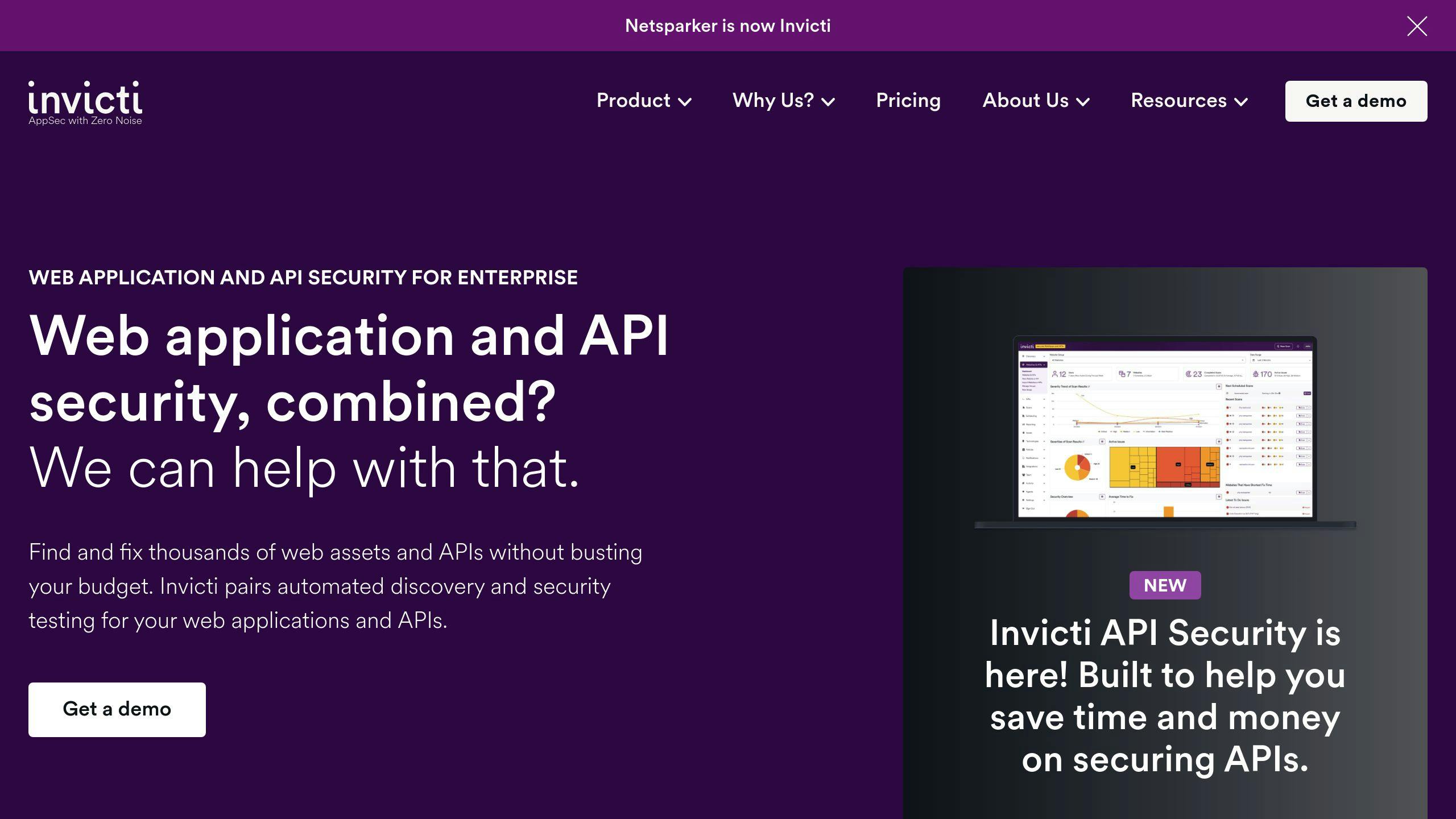
Netsparker is a web application security scanner designed to automatically find vulnerabilities like SQL Injection and Cross-Site Scripting (XSS). It uses Proof-Based Scanning Technology to ensure accurate results and reduce false positives.
Key Features
- Automated Detection: Scans web applications to uncover vulnerabilities, including those involving URL rewrite rules and custom 404 pages.
- DOM-based Scanning: Identifies vulnerabilities like DOM-based XSS.
- Integration Options: Works with REST API for seamless use with SDLC and bug tracking tools.
- Quick Setup: Requires minimal configuration, making it easy to get started.
Practical Applications
Netsparker is perfect for tasks like pre-deployment security checks, routine vulnerability scans, and automating security testing within development pipelines. Major organizations like NASA and Samsung rely on it for their security needs [1]. For those learning ethical hacking, Netsparker offers a safe way to practice finding and verifying web vulnerabilities.
This tool is a strong choice for web application security, paving the way for exploring other tools that specialize in different areas of ethical hacking.
2. Acunetix
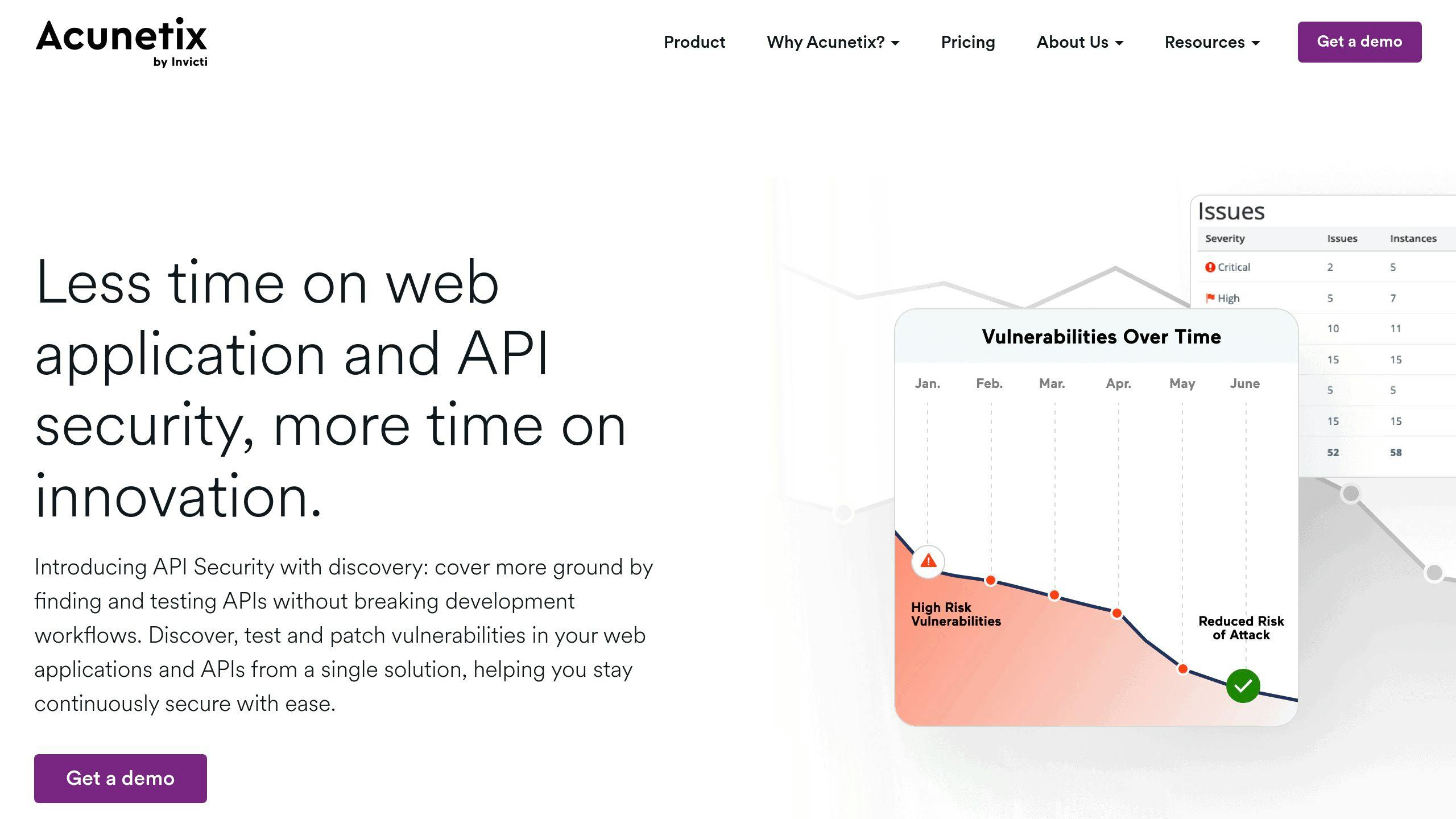
Acunetix is an automated web vulnerability scanner highlighted in Gartner 2020 Peer Insights as a customer favorite [4]. It identifies over 4,500 vulnerabilities, including SQL injection, cross-site scripting (XSS), and more than 1,200 WordPress-specific issues spanning core, themes, and plugins [4][2].
Key Features
- Advanced Crawling Technology: Navigates complex web applications, including multi-level forms and authenticated sections [4].
- Thorough Scanning: Automates vulnerability detection and includes built-in tools to prioritize risks [4][2].
- Automated Login Scanning: Ensures protected application areas are tested effectively [4].
- Vulnerability Management: Offers detailed technical reports and risk analysis tools [4][2].
Practical Applications
Acunetix stands out for its ability to perform detailed security audits and ensure compliance, especially when managing multiple web applications. Its automation and user-friendly interface make it a great choice for beginners, while its in-depth capabilities cater to seasoned security professionals. It’s particularly effective for testing modern applications built with frameworks like React or Angular, thanks to its specialized scanning features for advanced web technologies [4][2].
If you’re new to ethical hacking, Acunetix is a solid platform for learning how to identify and address web application vulnerabilities. Its focus on WordPress security makes it a strong option for testing content management systems, complementing other tools in this space.
Now that we’ve covered Acunetix’s scanning power, let’s dive into another essential ethical hacking tool: Metasploit.
3. Metasploit
Metasploit is one of the most widely used tools for penetration testing. It allows ethical hackers to simulate real-world attacks, helping organizations uncover weak spots in their systems before bad actors can take advantage.
Key Features
- Extensive Exploit Database: Access to over 1,600 exploits and 3,000 modules for testing
- Multi-platform Support: Works across different operating systems and devices
- Custom Exploit Development: Build and test your own exploits within the framework
- Tool Integration: Pairs with tools like Nmap and Nessus for a deeper security analysis
Practical Applications
Metasploit is a go-to tool for ethical hackers to safely practice and refine their skills in detecting and exploiting vulnerabilities. It’s particularly useful for:
- Validating Vulnerabilities: Checking if detected vulnerabilities can actually be exploited
- Security Audits: Performing detailed assessments of networks and applications
- Testing Defenses: Assessing how well security measures and incident response plans hold up under attack
It’s important to use Metasploit responsibly. Always ensure you have permission before running tests to avoid unintentional damage or legal repercussions.
While Metasploit is geared toward finding and exploiting vulnerabilities, the next tool, Wireshark, focuses on analyzing and monitoring network traffic.
4. Wireshark
Wireshark is a leading network analysis tool, widely used by ethical hackers to study traffic patterns. This free, open-source software is a go-to solution for security professionals who need to troubleshoot and analyze networks.
Key Features
Wireshark offers several powerful tools for ethical hacking:
- Detailed Traffic Analysis: Perform deep packet inspection with advanced filtering options to focus on specific protocols or traffic types. It supports over 200 protocols.
- Cross-Platform Compatibility: Works on Windows, macOS, and Linux systems.
- Live Monitoring: Capture and view network packets in real time.
- Decryption Support: Analyze encrypted traffic when provided with the appropriate keys.
Practical Applications
Wireshark is an essential tool for ethical hackers, helping them identify vulnerabilities and evaluate the effectiveness of security measures.
Network Security Auditing
- Monitor traffic for unusual patterns or anomalies.
- Detect unauthorized access attempts or potential breaches.
- Examine protocol behavior to uncover vulnerabilities.
Forensic Analysis
- Capture and store network data for investigations.
- Trace suspicious activities within network traffic.
- Reconstruct events to support incident response efforts.
“Wireshark is the world’s foremost network protocol analyzer, and is the de facto standard across many industries and educational institutions.” – Gerald Combs, Wireshark Founder
Pro Tips for Using Wireshark Effectively:
- Keep the tool updated to ensure compatibility with the latest protocols.
- Use the ‘Follow Stream’ feature to track conversations between endpoints.
While Wireshark shines in traffic analysis, tools like Nessus specialize in detecting vulnerabilities, making them a great complement to each other.
sbb-itb-ceee48c
5. Nessus

Nessus is a widely used tool for finding vulnerabilities in networks, systems, and applications. Its free Essentials version offers professional-grade scanning features, making it a go-to option for both newcomers and experienced ethical hackers.
Key Features
- Extensive Vulnerability Database: Tracks over 50,000 vulnerabilities, updated regularly by Tenable’s research team.
- Multi-Platform Compatibility: Works across different operating systems and network devices.
- Pre-Built Compliance Templates: Includes templates for PCI DSS, HIPAA, and GDPR standards.
- API Integration: Easily connects with other security tools and platforms.
- In-Depth Reporting: Provides detailed assessments, including severity levels and suggested fixes.
Practical Uses
Nessus is designed to help organizations stay ahead of potential threats by identifying security gaps and ensuring compliance with industry standards.
Vulnerability Management
Nessus supports continuous monitoring, allowing businesses to detect and address vulnerabilities quickly. Automated scans, prioritized fixes, and integration with existing workflows all contribute to a more streamlined approach to security.
Compliance Checks
With pre-built templates and detailed reports, Nessus simplifies meeting regulatory standards. It helps organizations save time while ensuring they remain compliant.
Pro Tip: Use automated scans alongside risk-based prioritization to focus on the most critical vulnerabilities, and incorporate findings into your existing security processes.
Now that we’ve covered Nessus, let’s dive into Nikto, a tool specifically built for web server security.
6. Nikto
Purpose of the Tool
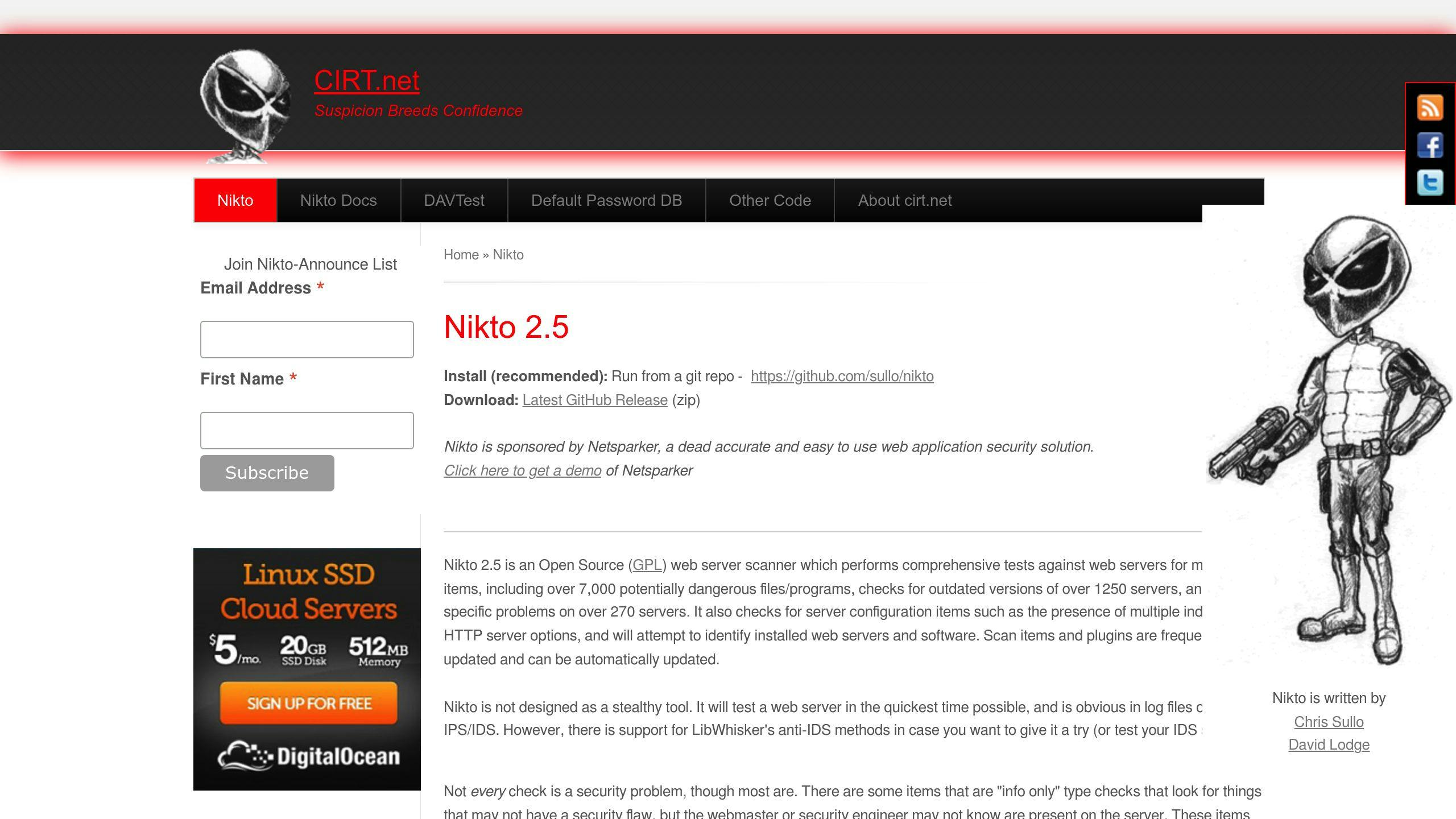
Nikto scans web servers to uncover vulnerabilities like dangerous files, outdated software, and configuration issues. It uses a database with over 6,700 files and 1,250 server versions, making it a go-to tool for web server security checks.
Key Features
- Thorough Scanning: Identifies risky files, old software versions, and misconfigurations across various server setups.
- Supports Multiple Protocols: Compatible with both HTTP and HTTPS, ensuring flexibility in testing.
- Flexible Reporting: Offers different output formats to make reporting and integration easier.
- Customizable Options: Allows users to focus scans on specific vulnerabilities or server aspects for targeted assessments.
Practical Applications
Nikto is widely used by ethical hackers to pinpoint web server weaknesses during penetration tests or training exercises. Its detailed scanning process ensures no stone is left unturned, while its reporting features make it easy to integrate into larger security workflows. It’s particularly effective at flagging outdated software and hazardous files, helping organizations maintain secure systems.
Pro Tip: Run scans during off-peak times to avoid server slowdowns. Always double-check vulnerabilities flagged by the tool to rule out false positives and address the most critical issues first.
With Nikto addressing web server vulnerabilities, the next tool, Kali Linux, offers a complete toolkit for penetration testing.
7. Kali Linux
Purpose of the Tool
Kali Linux is an open-source operating system built for penetration testing and digital forensics. Created by Offensive Security in 2013, it serves as a go-to platform for ethical hackers who need to perform detailed security assessments.
Key Features
Kali Linux comes packed with features that make it a must-have for ethical hacking:
| Feature Category | Description |
|---|---|
| Pre-installed Tools | Includes over 600 security tools like Metasploit, Nmap, and John the Ripper |
| Portability | Can be run directly from USB drives for flexibility across systems |
| Documentation | Offers detailed official guides and active community support |
| Multi-platform Support | Works with various hardware architectures |
Practical Applications
Kali Linux empowers ethical hackers to perform tasks like network evaluations, exploit testing, and password cracking – all from a single platform. With tools like Nikto for web server analysis, it provides everything needed for thorough security checks. Its portability also allows quick deployment in different environments.
Tips for getting the most out of Kali Linux:
- Keep your installation up to date before starting any assessments.
- Set up a separate testing environment to ensure safe practice.
- Maintain records of your testing processes for future use.
- Refer to the built-in documentation to fully understand each tool’s functionality.
Kali Linux serves as a strong foundation for specialized tools like John The Ripper, which zeroes in on password security.
8. John The Ripper
What It Does
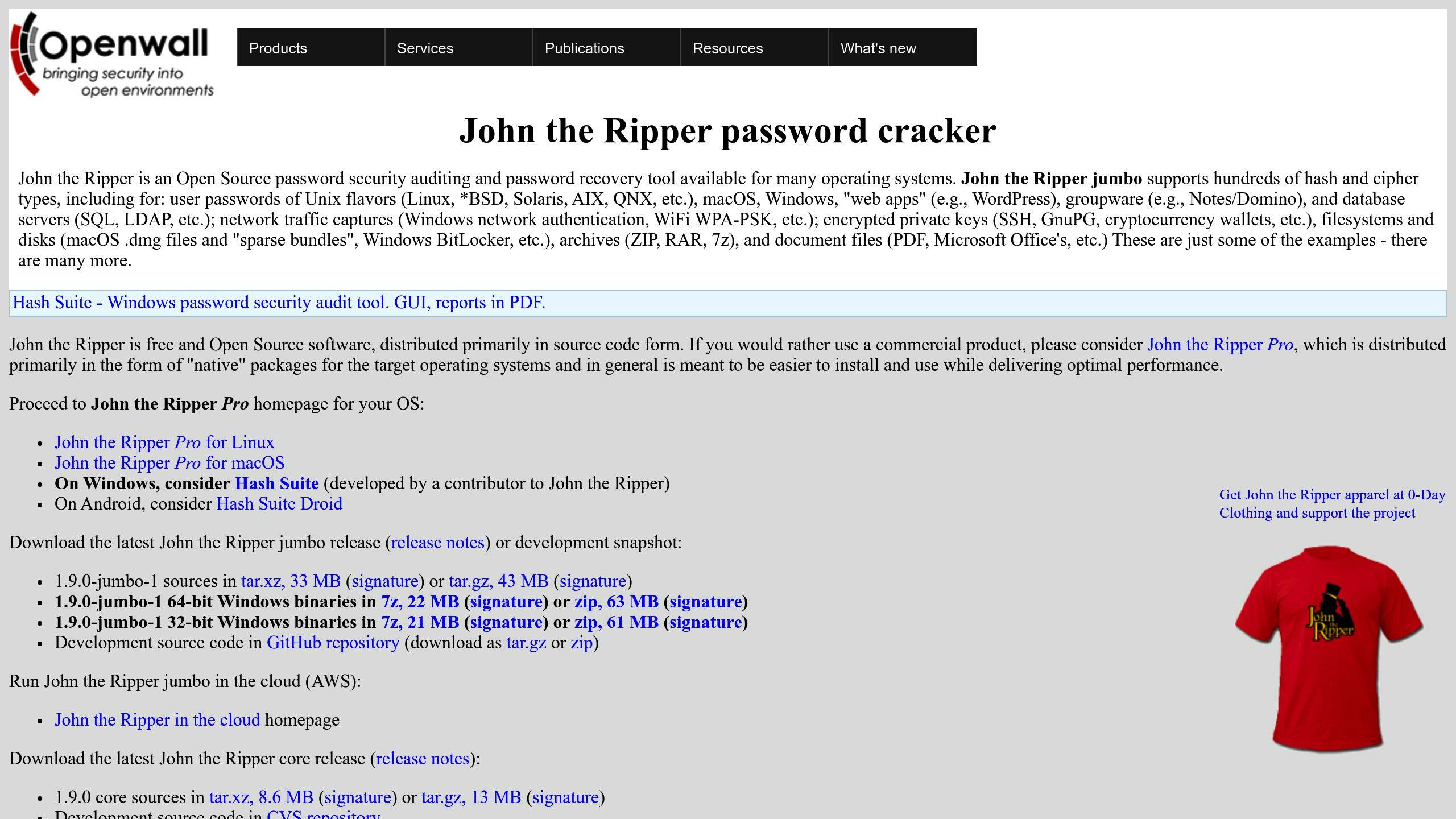
John The Ripper, created by Alexander Peslyak (Solar Designer) and maintained by the Openwall Project, is a free tool designed for cracking passwords and testing their security. It’s perfect for ethical hackers, whether you’re just starting out or have years of experience, offering hands-on practice in identifying and improving weak passwords.
Features You Should Know
This tool supports multiple cracking modes to fit different needs:
- Single Crack: Analyzes patterns in passwords.
- Wordlist: Uses dictionary-based attacks.
- Incremental: Employs brute force techniques.
It works with various password hash types and is compatible with multiple platforms, making it adaptable to different environments. Plus, it integrates well with other tools, allowing for more thorough security testing.
How It’s Used
John The Ripper is commonly used in security audits and assessments to highlight the risks of weak passwords. Key applications include:
- Testing the strength of password hashes in authentication systems.
- Checking if organizational password policies are effective.
- Contributing to broader security evaluations.
To get the most out of it, consider using custom rulesets, regularly updating the tool, and always obtaining proper authorization before running tests.
John The Ripper is an essential tool for anyone focused on password security. The next section includes a comparison table to help you decide which tool best fits your specific ethical hacking needs.
Tool Comparison Table
Here’s a side-by-side look at some popular tools, breaking down their main features and uses to help you decide which ones fit your needs:
| Tool | Purpose | Features | Ideal Use | Difficulty |
|---|---|---|---|---|
| Netsparker | Web security scanner | • Automated SQL/XSS detection • Proof-based scanning | Web security | Moderate |
| Acunetix | Web vulnerability scanner | • 4500+ vulnerability checks • Focus on WordPress | Enterprise web testing | Moderate-High |
| Metasploit | Penetration testing | • Exploit database • Custom payload creation | Security testing | High |
| Wireshark | Network analyzer | • Real-time packet capture • Protocol inspection | Network analysis | Moderate |
| Nessus | Vulnerability scanner | • Compliance templates • 50,000+ vulnerabilities | Network assessment | Moderate |
| Nikto | Web server scanner | • Server misconfiguration checks • Plugin architecture | Web server security | Low-Moderate |
| Kali Linux | Security testing OS | • 600+ pre-installed tools • Regular updates | Comprehensive testing | High |
| John The Ripper | Password cracker | • Multiple cracking modes • Hash type support | Password security | Low-Moderate |
To build your security testing toolkit, consider these tips:
- Beginners: Start with tools like Nikto or John The Ripper to get familiar with basic security testing.
- Network Security: Tools like Wireshark or Nessus are great for analyzing network vulnerabilities.
- Complete Testing Environment: Use Kali Linux if you need an all-in-one platform with pre-installed tools.
- Web Application Security: For web-specific issues, Netsparker and Acunetix are solid choices.
Each tool has its strengths, so pick the ones that align with your goals and expertise.
Wrapping It Up
Free tools play a key role in building hands-on cybersecurity skills, offering practical ways to meet industry standards for vulnerability testing. From simple password analysis tools to full-scale security testing platforms, each serves a specific function in an ethical hacker’s toolkit.
The tools we’ve discussed cover a range of skill levels, making them accessible whether you’re just starting or diving into advanced penetration testing. The comparison table above is a handy guide to help you pick the right tool based on your current needs and expertise. Start with tools suited to your level, and as your skills grow, move on to more complex options.
How to Get Started:
- Begin with beginner-friendly tools and practice in safe, controlled environments.
- Stay informed about the latest security trends and connect with online communities.
- Test your skills through bug bounty programs or personal projects.
Experts stress that learning to use these tools effectively is essential for improving web security practices. They provide a hands-on way to sharpen your abilities and make meaningful contributions to the cybersecurity field. Regular practice and skill refinement will keep you ahead in this fast-changing industry.
It’s important to remember that ethical hacking goes beyond technical skills. It requires a mindset focused on security and a commitment to acting responsibly. Always ensure you have the proper permissions and follow legal guidelines when conducting security tests. These tools are just the beginning – they lay the groundwork for ongoing learning and growth in your cybersecurity journey.
FAQs
What is the best pentesting tool?
The best pentesting tool depends on what you’re testing and your level of expertise. For example, Wireshark is great for analyzing network traffic, while Metasploit is ideal for simulating attacks and testing vulnerabilities. Check out the comparison table below for a quick overview:
| Tool | Primary Function | Best For |
|---|---|---|
| Wireshark | Network Analysis | Monitoring traffic and inspecting packets |
| Metasploit | Exploitation Framework | Simulating attacks and testing weaknesses |
| Nikto | Web Scanning | Quick security checks for web servers |
| John the Ripper | Password Analysis | Testing password strength |
| Burp Suite | Web Security | Comprehensive web app security testing |
Your choice should align with the vulnerabilities you’re targeting, the complexity of the application, your skill level, and the support available for the tool. For beginners, starting with Nikto or Wireshark can help build foundational knowledge before moving on to more advanced tools like Metasploit [2].
Keep in mind that ethical hacking works best when you combine tools. Each tool serves a specific purpose, and using them together can help you create a well-rounded security testing strategy [3].